Pregnancy
What to expect at your first antenatal visit
A practical guide to the first pregnancy appointment — what gets asked, what gets checked, what to bring, and the questions worth writing down beforehand.
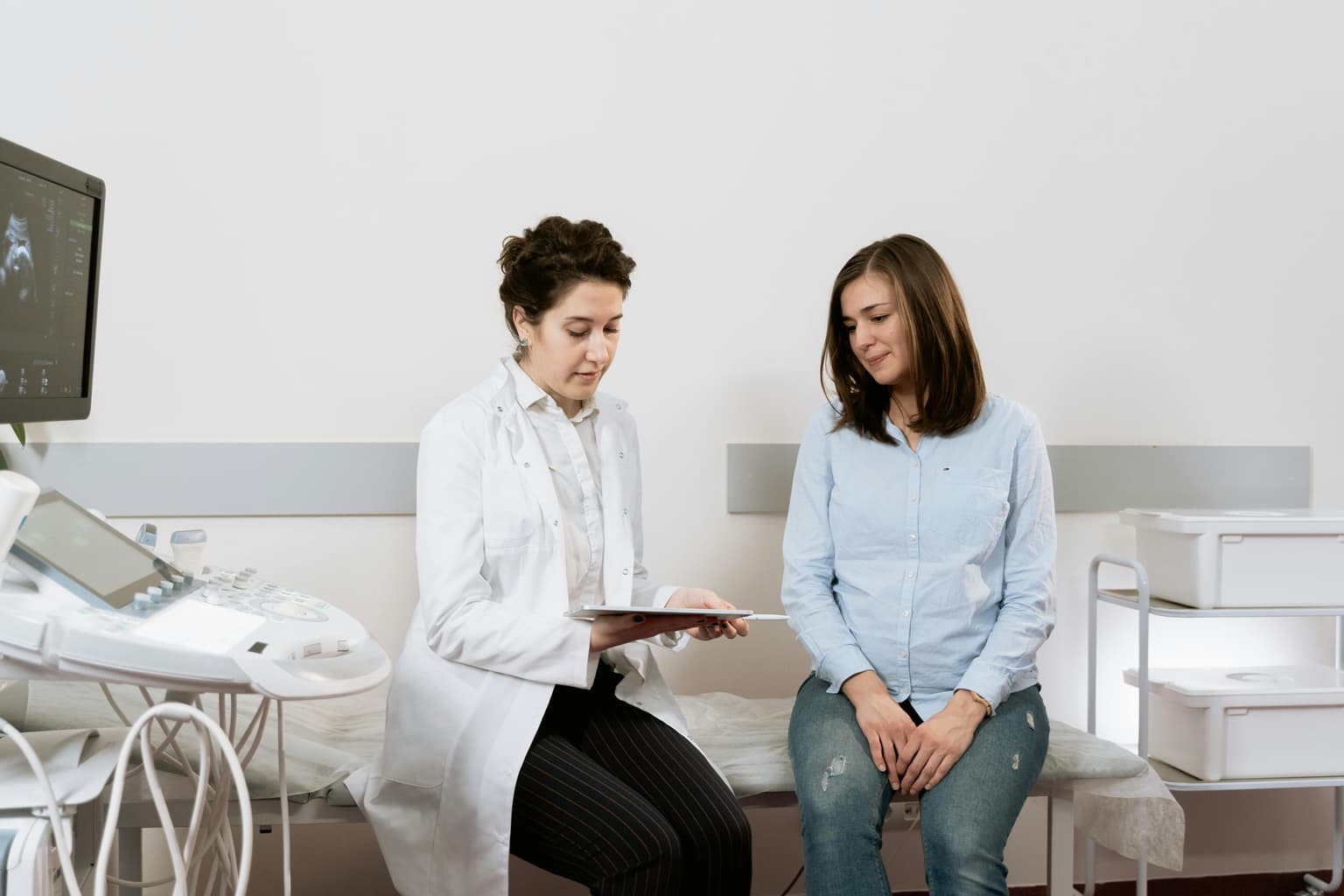
The first antenatal appointment is mostly conversation. People often arrive expecting a battery of tests and are surprised by how much of it is simply talking — but that history is what shapes everything that follows.
When to come in
As soon as a home test is positive, or once you have missed a period and suspect you are pregnant.
Coming early is genuinely useful. It settles your dates, sorts out which tests are due and when, and picks up anything that is better managed from the start than caught up with later. There is no need to wait for a particular week.
What will be asked
Expect questions across five areas:
- This pregnancy — your last period, any symptoms, any bleeding or pain
- Previous pregnancies — including miscarriages and terminations, which matter medically and are asked about without judgement
- Your medical history — thyroid, diabetes, blood pressure, anaemia, surgeries, allergies
- Medicines — everything, including supplements and anything bought over the counter
- Family history — diabetes, high blood pressure, twins, inherited conditions
If you do not know some of it, that is fine. Nobody expects you to arrive with a complete family medical record.
What will be checked
Blood pressure, weight, and a general examination. Depending on how many weeks you are, an abdominal examination may or may not tell us anything useful yet.
You will be advised which blood tests to have, and when your first scan should be. These are done at a diagnostic centre, not at the clinic — Zenith Women's Clinic is a consultation clinic. You will be told exactly what to book and where, and the reports are reviewed with you at the next visit.
What to bring
- Any previous prescriptions or reports
- A note of your last period date, if you know it
- Your list of questions
That last one matters more than people expect. Questions evaporate the moment you sit down, and the ones you meant to ask surface on the drive home. A note on your phone is enough.
Questions worth writing down
If you are not sure what to ask, these come up in almost every first visit:
- Which foods actually need avoiding, and which warnings can I ignore?
- Is my usual exercise still safe?
- Can I keep taking the medicines I am already on?
- Is travel alright, and until when?
- What symptoms mean I should call rather than wait?
What you leave with
A plan: which supplements to start, which tests to book, when to come back, and — importantly — the specific symptoms that mean you should seek care sooner rather than waiting for the next appointment.
Bleeding, severe pain, high fever or fainting are never things to wait on. If any of those happen, go to a hospital emergency department rather than booking an appointment.
Written by Team Zenith, obstetrician & gynaecologist at Zenith Women's Clinic, Gaur City 2, Greater Noida West.